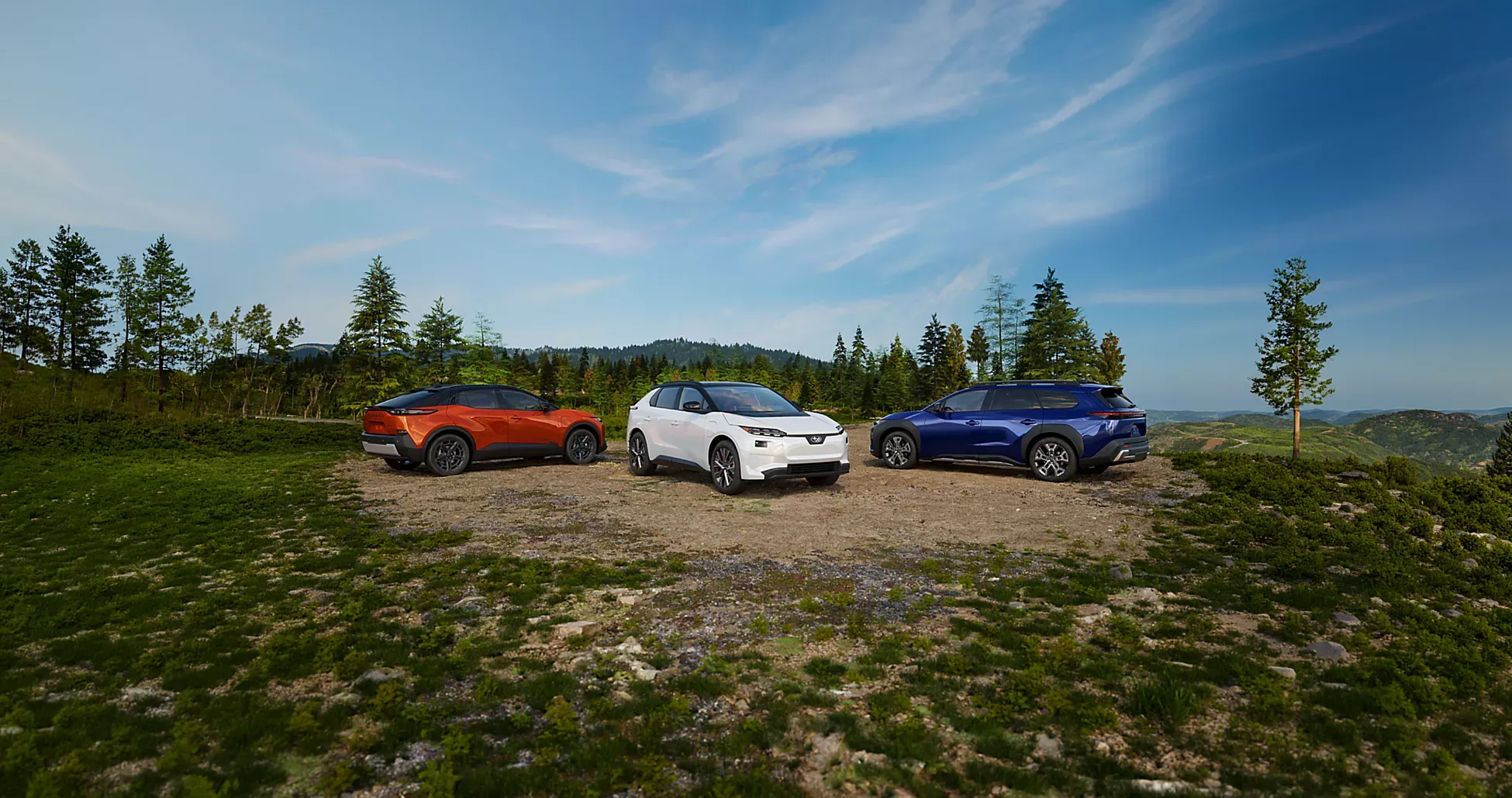
Three Subaru SUVs, one orange, one white, and one blue, are parked on a gravel clearing surrounded by evergreen trees. The vehicles are positioned side by side against a backdrop of rolling forested hills beneath a bright blue sky with wispy clouds. The foreground features rocky, grassy terrain, emphasizing an outdoor and scenic setting.

A Subaru Guide to Electric Vehicles

Key Takeaways:

  • Subaru electric vehicles combine Symmetrical All-Wheel Drive and advanced safety features with zero-emission electric power for capable, all-weather performance.
  • Subaru EV charging is flexible, with options ranging from overnight home charging to faster public charging for longer trips.
  • Owning a Subaru EV offers lower operating costs and reduced maintenance compared to gas vehicles.

The next evolution of Subaru power is here with our all-electric vehicle lineup. A Subaru EV takes all of the Symmetrical All-Wheel Drive capability, advanced active safety technology, and trusted longevity and reliability that Subaru vehicles are known for and combines them with the next-generation e-Subaru Global Platform, a new all-electric vehicle architecture.

We've made it easy to understand and access the conveniences an EV gives you, like charging at home or through our trusted networks, leaving you more freedom to explore.
Charging an Electric Vehicle

Owning a Subaru EV is all about freedom - the freedom from the impact of fossil fuels, the freedom to reach places only a Subaru vehicle can go, and the freedom to charge how and where it's most convenient for you. A Subaru EV can be a perfect fit for your life no matter how you want to charge it.

Charging an Electric Vehicle EV Charging Flexibility at Home or On the Go

With a Subaru EV, you can leave home each morning with a full charge, so you're always ready to go anywhere1. Just like your smartphone, you can simply plug in to a standard wall outlet when you get home with the included Level 1 120V charger. You can get an even faster charge with a Level 2 240V charger that utilizes an outlet like the kind used for an electric clothes dryer. Other Level 2 chargers are available for public or customer use at retail stores, hotels, and parking lots. Every Subaru EV includes a standard dual-voltage (Level 1 and Level 2) charging cable with adapters that allow you to plug in your vehicle almost anywhere.

DC fast-charging stations with the most powerful charging technology are available at dedicated locations across the nation. For current Subaru EV models, DC fast-charging can charge your battery from 10% to 80% in as little as 28 minutes2,3. The Getaway, Solterra, Uncharted, and Trailseeker are also compatible with the North American Charging Standard (NACS), which adds access to more than 25,000 Tesla Superchargers across North America.

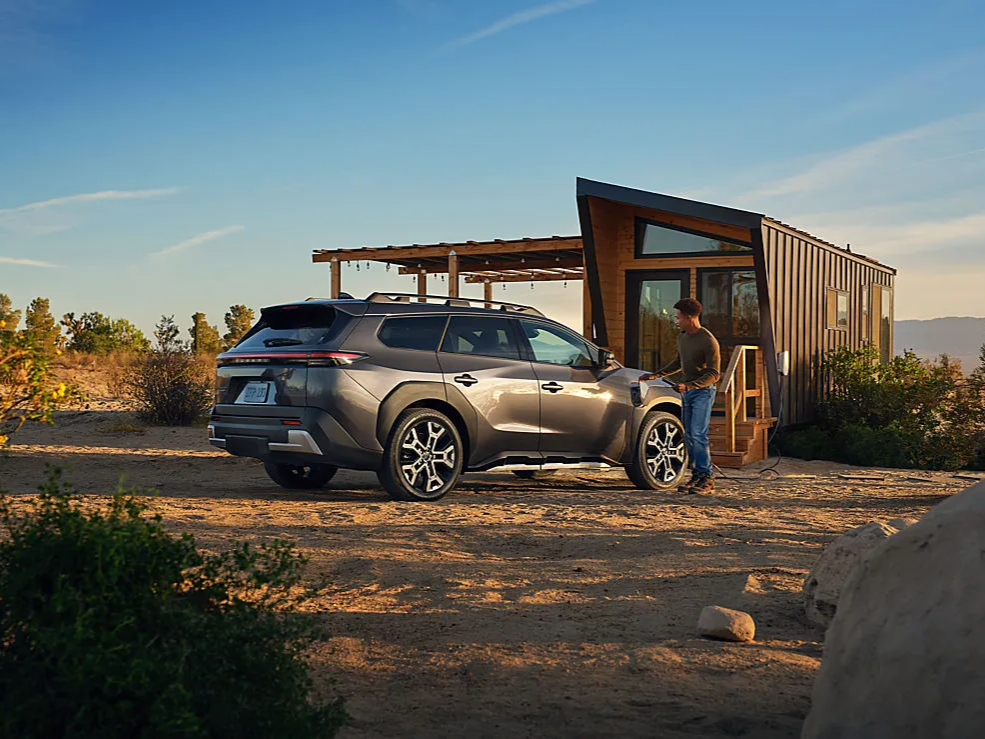
A man charges his Subaru Trailseeker next to a small home.

Benefits of Electric Vehicles

The cost savings and environmental benefits of a zero-emission vehicle are clear, but there are other reasons why driving a Subaru EV can be so rewarding. From reduced maintenance costs to a more pleasant commute, buying a Subaru EV is a smart investment for the long road ahead.

Benefits of Electric Vehicles Subaru EVs are Zero-Emission Vehicles

With no tailpipe emissions and no need for gasoline or oil changes, owning an efficient, capable Subaru EV is the easiest way to enjoy everything the natural world has to offer while protecting it at the same time.

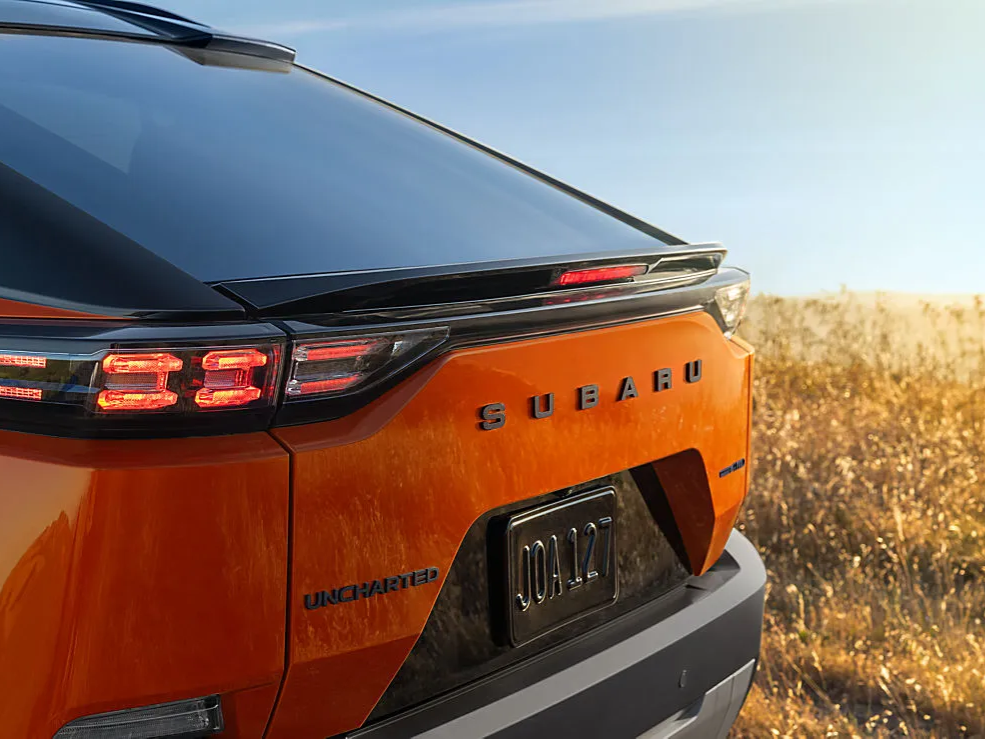
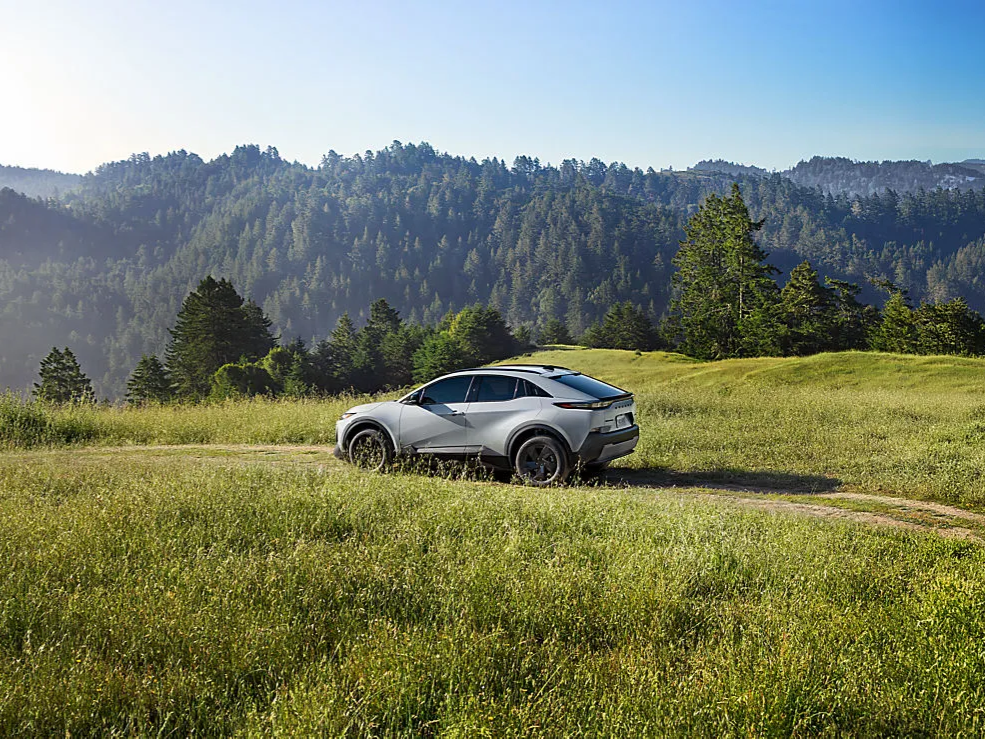
A Subaru Uncharted SUV is parked on a grassy hill in the mountains.
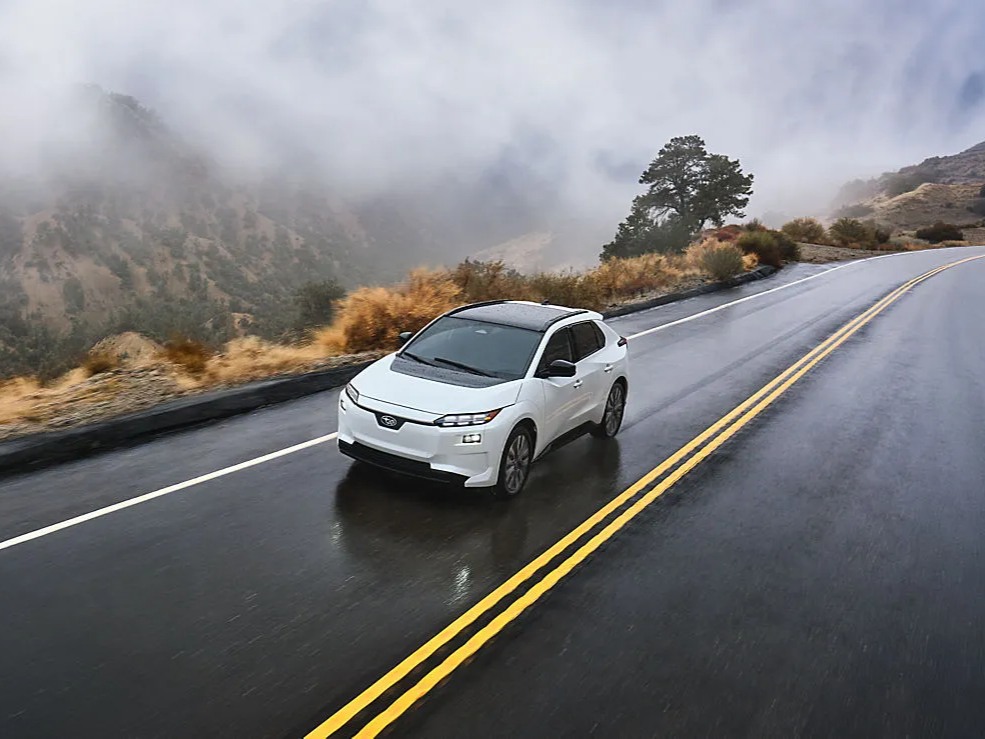
A Solterra AWD electric SUV drives on a narrow mountain road in the rain.

Benefits of Electric Vehicles Gas and Time Savings

No internal combustion engine means no need for gas, and if you charge at home, you can expect to only pay approximately $9-$10 for a full charge4, which is a huge savings compared to even the most efficient internal-combustion vehicles. Plus you save on time, since there’s no need to stop for gas on the way, making it one less thing you — and your wallet — need to worry about on your commute.

Benefits of Electric Vehicles Maintenance Savings

A Subaru EV is not only more energy-efficient than a traditional internal combustion engine vehicle; it's also simpler to maintain. Unlike a gas-powered vehicle, there's no need to spend time scheduling and waiting for regular maintenance like oil changes that traditional engines require.

A Subaru Uncharted SUV parked next to a wheat field.
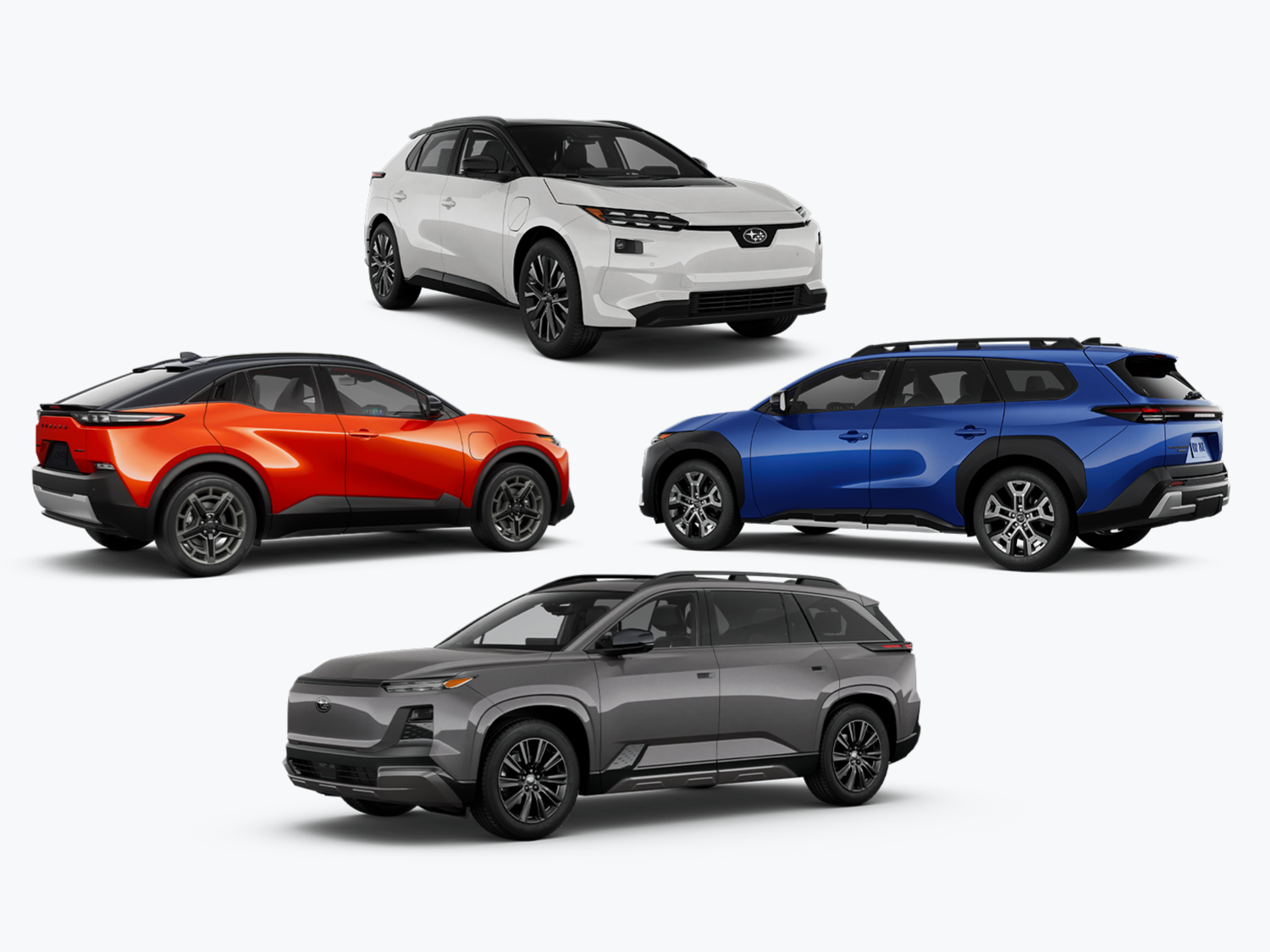
Four Subaru electric vehicles.

See the Full Subaru EV Lineup

Explore the full family of Subaru EVs, all designed for confident capability, advanced safety, and everyday usability. Our lineup includes the versatile Solterra, the sporty Uncharted, the adventurous Trailseeker, and the family-sized 3-row Getaway.

Electric Vehicle FAQ

An electric vehicle (EV) is powered entirely by a battery and electric motors, rather than a gas tank and internal combustion engine. The Subaru lineup of EVs is fully electric. Subaru also offers two hybrid models that use some electric components but still rely on a gas engine and are not fully electric.

EVs use no gasoline at all, helping reduce emissions compared to gas-powered vehicles. Plus with no need for gas, you save money and time. Electric vehicles cost less to maintain because their drivetrains have far fewer moving parts and don't require oil changes or spark plug replacements. EVs like the Subaru Getaway, Solterra, Trailseeker, and Uncharted feature powerful electric motors that offer instant torque for better performance and deliver a smoother, quieter driving experience as there are no engine vibrations.

Subaru EVs can be charged at your home at Level 1 (120V) or Level 2 (240V) charging speeds. A dual-voltage (L1/L2) charging cable is included with your Subaru electric car. With the included dual-voltage charging cable, you can plug into a standard outlet for convenient charging, similar to charging a smartphone1. If you don't have a 240V outlet, you can have one professionally installed in your home for much faster charging speeds.

A Subaru EV can get a range of up to 300+ miles on a full charge5, so the need to charge while running daily errands should not be a common occurrence. Should you need to charge while on the go, you have access to more than 25,000 Tesla Superchargers across North America for convenient and fast charging.

Subaru electric vehicles can charge at stations that support the North American Charging Standard (NACS) or at J1772 and CCS stations using the included adapters. This means that you're covered at virtually all charging stations.

For 2026 Subaru EV models, a DC charger that supports at least 150kW can charge your battery from 10%-80% in as little as 28 minutes.

EV batteries are generally designed to last for many years and can often exceed 100,000 miles, though actual lifespan varies based on usage and conditions. EVs use advanced lithium-ion battery packs that provide impressive capacity, efficiency, and long-term performance, similar to the ones powering your smartphone. Lithium-ion battery lifespans are variable due to different climate temperatures and charging habits, but every Subaru EV sold in the U.S. comes with a battery warranty of eight years or 100,000 miles, providing added peace of mind for owners.

It depends on many factors, such as the maximum charging speed of the vehicle, the condition and temperature of the battery, and the type and speed of charger being used. Level 1 chargers that use the common 120V AC outlets you have in your home could take up to 50 hours for a full charge. Level 2 chargers significantly reduce that time down to around 6-7 hours for a complete charge, which could cost as little as $9 on your home electricity bill 4. DC fast chargers, typically only found in public charging stations, can charge a Solterra, Trailseeker, or Uncharted from 10% to 80% in about 28 minutes, or a Getaway from 10% to 80% in about 33 minutes.

While electricity costs vary by location, charging an electric vehicle should give you significant savings compared to buying gas for a traditional car during the same period of time. Some public charging networks even offer free charging. If you decide you want to install a Level 2 charger in your home, you need to factor in the cost of buying the charging equipment and paying an electrician for the installation. Over time, electricity costs are significantly lower than gasoline expenses, helping offset the upfront investment. However, it is still possible for drivers to use a Level 1 charger, which only needs a regular 120V outlet, to charge their EV.

Subaru EV owners can access a list of nearby public charging stations using the SubaruConnect mobile app.

With no tailpipe emissions, electric cars generate much less of an impact on the environment compared to internal combustion engine vehicles. Studies looking at the entire lifetime of an EV have shown this environmental advantage persists even when accounting for the emissions generated by manufacturing and electricity generation. As more sources of renewable electricity production like wind and solar come online, this advantage could even grow larger.

BACK TO TOP